Best Tent Fabrics for Long-Term Living
If you're preparing to reside in a tent for months as opposed to a weekend break, the fabric it's made from matters greater than almost any other function. A tent used for a couple of camping journeys a year can escape light-weight, less resilient products. Yet long-term living indicates constant exposure to sun, rain, wind, condensation, and everyday wear. Selecting the right fabric can be the distinction between a sanctuary that lasts for several years and one that fails within a season.
Why Textile Selection Issues for Long-Term Living
When an outdoor tents ends up being a permanent home, it encounters challenges that occasional-use tents hardly ever see. UV rays break down fibers over time, dampness cycles trigger mold and rot, and constant usage wears joints and high-contact areas. The best material requires to stabilize toughness, breathability, waterproofing, and insulation, while still being workable in terms of weight and maintenance.
Canvas: The Traditional Selection
Canvas has actually been the go-to material for long-lasting camping tent living for over a century, and forever reason. It's breathable, naturally resistant to condensation, and holds up well to years of use when appropriately cared for.
Cotton Canvas
Cotton canvas is prized for its breathability and all-natural shielding buildings. It controls temperature level better than most synthetics, staying cooler in summer and maintaining even more warmth in wintertime. It additionally takes care of UV direct exposure far better than nylon or polyester, standing up to the brittleness and fading that sun damages causes. The tradeoff is weight and drying out time; cotton canvas is heavy and can develop mold if it isn't enabled to completely dry extensively after rain.
Poly-Cotton Blends
Poly-cotton canvas incorporates the breathability of cotton with the included stamina and faster drying out time of polyester. This blend is a popular middle ground for individuals who desire the convenience of canvas without quite as much maintenance. It's an usual selection in bell camping tents and wall outdoors tents designed for extensive off-grid living.
Artificial Fabrics for Long-Term Use
Synthetic textiles have actually enhanced dramatically and now supply genuine advantages for people who require something lighter or more weather-resistant than canvas.
Ripstop Nylon
Ripstop nylon is lightweight, loads down little, and resists tearing thanks to its enhanced weave pattern. It's an outstanding choice if flexibility matters, since it's much lighter than canvas. Nevertheless, nylon degrades much faster under prolonged UV direct exposure and has a tendency to catch condensation more than all-natural fibers, so great ventilation style is vital if you choose this material for lasting usage.
Polyester
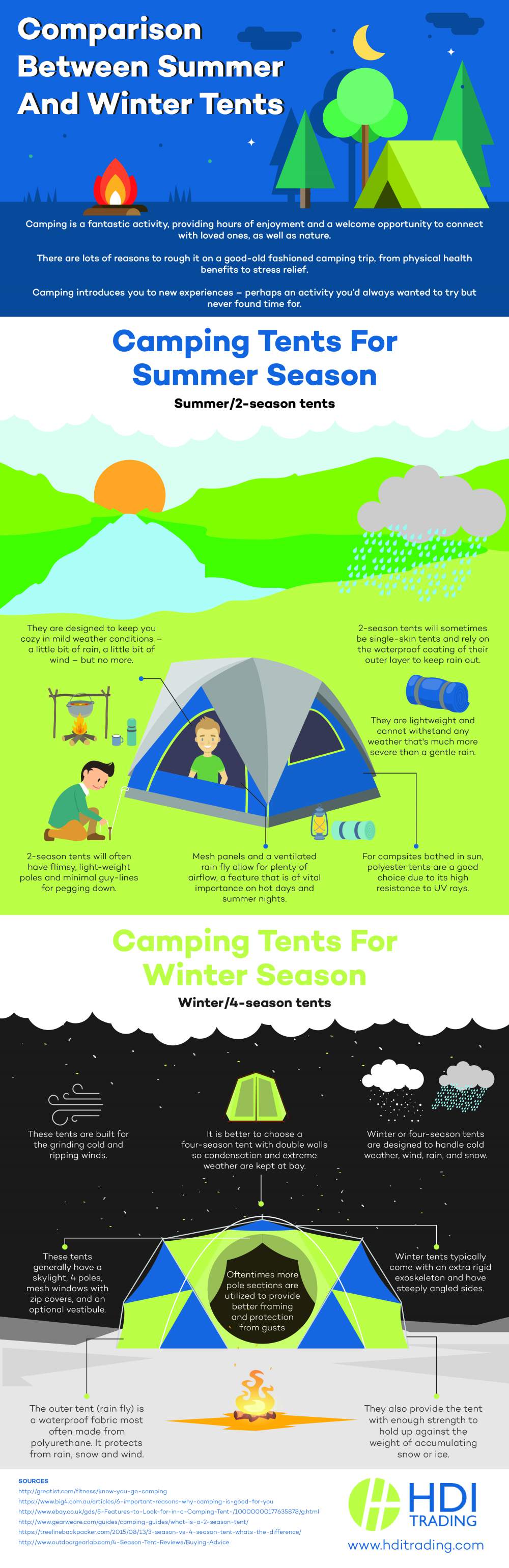
Polyester stands up to UV rays much better than nylon and does not extend as much when wet, which aids a camping tent keep its form over months of use. It's additionally extra immune to mold and mildew than cotton. Lots of lasting camping tents make use of polyester with a polyurethane or silicone finishing to improve waterproofing better.
Specialty and Technical Fabrics
For people setting camp lights up semi-permanent camps, glamping structures, or off-grid homesteads, specialized materials made for extended exposure deserve thinking about.
PVC-Coated Fabrics
PVC-coated polyester or canvas is incredibly durable and completely water resistant, making it a solid alternative for structures that require to endure heavy rain or snow lots over extended periods. It's generally utilized in yurts, safari camping tents, and sturdy wall camping tents. The disadvantage is minimized breathability, so correct ventilation flaps or windows are required to prevent condensation buildup inside.
TC (Technical Cotton) Fabrics
TC fabric, a firmly woven cotton-polyester blend commonly used in bell tents and bushcraft shelters, uses an excellent equilibrium of weight, breathability, and water resistance. It's become progressively preferred among long-term campers that desire canvas-like performance without the additional mass.
Key Elements to Think About Beyond Textile Type
Material selection should not be made in isolation. Denier (material density and longevity), water resistant score, UV resistance treatments, and joint building and construction all impact how well an outdoor tents does in time. A top quality material with inadequately sealed seams will certainly still leak, and even the most difficult material will deteriorate quicker without a rainfly or shaded configuration. Ventilation style is similarly vital, because entraped wetness creates extra long-term damages than most individuals anticipate.
Final Ideas
There's no single "ideal" fabric for every person living in a camping tent lasting. Cotton and poly-cotton canvas stay top selections for convenience, breathability, and resilience in fixed or semi-permanent arrangements. Synthetic fabrics like ripstop nylon and polyester match those who focus on movement and lighter equipment. PVC-coated and technological cotton fabrics load the gap for people requiring maximum weather condition resistance. The right selection ultimately depends upon your environment, how frequently you'll move, and just how much maintenance you agree to put in to maintain your shelter healthy for the long haul.